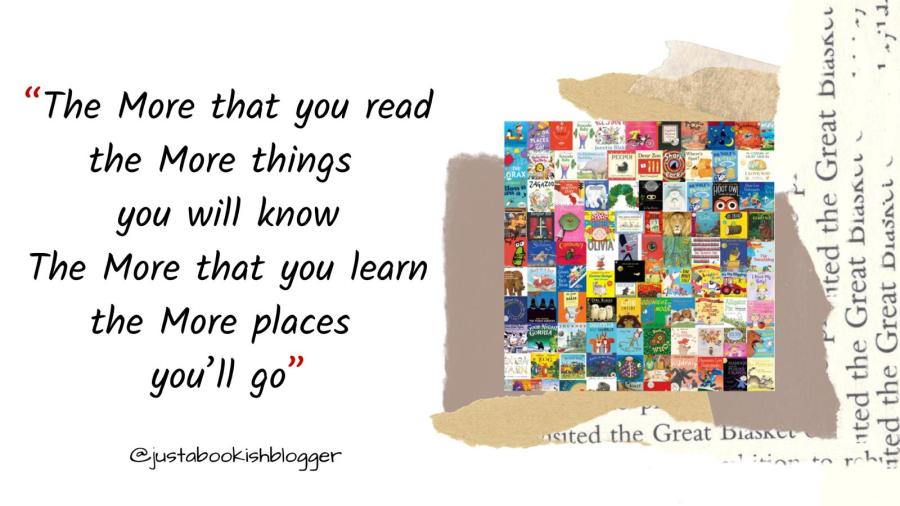

Not all kids love to read. But all kids love to play. Or fidget. Or explore. So how do you get them to read? By understanding their interests at each stage and getting them books that cater to their interests. My son for instance has been introduced to books since he was just a month old. Did he show any interest? Well, it’s been a ride. But persistence paid off and at 5 he’s capable of reading the phonics key stage books with some help. And he loves his stories.
Here’s a rough guide on what books to get for kids at each age. Do keep in mind, that each child is different and has different interests. Feel free to move around the recommended books to see what sticks.
Age 0-3 months
Newborns are yet to see in colour. What works best are black and white flash cards. Using these flashcards will help your baby’s focus, tracking and ultimately vision improve. Here’s a free printable of black and white flashcards thanks to justamamma.com.
- How does it work: Place the flashcards in front of the baby. Name the picture and give a brief description. For instance, ‘This is a bear. It has two eyes, a nose and a mouth’.
- How many cards to get: 5-10 cards should be more than sufficient. Babies don’t remember much. A handful will be good enough to keep them engaged.
Age 4-6 months
At this age, babies start seeing in colour. They are eager to explore. Books with bold primary colours work best. They can recognize some sounds, hence having books with a little narration will help keep them engaged. Flash cards with pictures are also great at this stage.
- Recommendations: Brown Bear Brown Bear, The Very Hungry Caterpillar, Dear Zoo, Goodnight Moon, Touch and Feel Colours by Books International, Colors & Shapes Flashcards deck by Scholastic, Baby Touch and Feel book series by DK (Animals is an excellent option)
- Why is it great: These books consist of bright colors, interactive elements and a short but interesting narration. This helps grab their attention and keep them focused.
- How many books to get: Around 3-4
Age 6 months – 1 year
This is where things get interesting. At this stage they begin to develop their gross motor skills and are capable of picking up some vocabulary. However, they do have the attention span of a goldfish. Hence it is best to introduce touch and feel books, push and pull books, books with nursery rhymes and even those with a little bit of audio.
But here’s the kicker; these books come with a price tag. They are not friendly on the pocket. To add to your woes, this is also the stage where kids enjoy destroying things. However, most of these books are short and in board book format, which keeps kids engaged and help withstand their little blows! I would recommend sticking to just 2-3 new books and going back to the books from the 4-6 months stage.
Here’s a list of recommendations:
- Touch and feel & nursery rhymes: Row Row Row your Boat and Other Nursery Rhymes by Make Believe Ideas, Mr. Snail’s Counting Trails, Zoom (My First Learning Colours) by Sandcastle Books
Why is it great: Kids learn through song and rhyme. The sing song nature of the rhymes makes listening to the books enjoyable. - Push and pull: Books from the First Stories series by Campbell Books (condensed versions of popular stories such as Jungle Book, Jack and the Beanstalk, Alice in Wonderland, Little Red Riding Hood and more).
Why is it great: These books come in board book format and allows kids to interact with the story. Pop ups and slides with hidden characters make for great entertainment and helps keep your kids engaged. - Audio books: The Noisy Farm by Usborne Books
Why is it great: The farm sounds (baa, meow, moo) are sounds that kids this age begin to make. Their excitement in listening to a sound they can make, keeps them engaged.
Age 1 – 2 years
This is an important stage. Kids begin to pick up on words and expand their vocabulary. Books with onomatopoeic words (boom, crash, tap, meow) and rhyming sentences work best.
- Recommendations: What the Ladybird Heard series by Julia Donaldson, Llama Llama Red Pajama, Chicka Chicka Boom Boom, We are Going on a Bear Hunt
- Why is great: Even though these books are short, the concept of plot comes into play. At the end of each story, there is always a lesson in morality or fixed resolution. This helps them understand intangible concepts in addition to widening their imagination.
- How many to get: Depends on each child. Around 4-5 books will be sufficient to keep them hooked.
Age 2-3 years
Enter flying unicorns and fire breathing dragons. This is where their imagination shines. Should you temper it down or fuel it? Again, it depends on the kid. As long it’s harmless, doesn’t seem to be giving them any nightmares it’s fine to keep it active. The ability to tell a good story is one of the cornerstones of marketing. Having a vivid imagination helps.
However, keep their imaginations in check by picking books with morals in them. It is best to keep a healthy balance between realistic elements and fantastical elements.
Recommendations: The Lion Inside, Zog and the Flying Doctors, Superworm, A Little Bit Brave, The Squirrels who Squabbled, The Gruffalo
Why is it great: These books have a perfect balance of both realistic and fantastical elements
Age 3-4 years
Kids begin to be curious about the world around them. This is the why stage. Why does it rain? Why is the sun hot? At this point, it’s time to start investing in books that explain the world. It is not needed to buy new story books at this age. You can use the same books from 2 years and upwards.
Recommendations: Look Inside your Body by Louie Stowell, The Snail and the Whale by Julia Donaldson, Usborne Peep Inside Animal Homes, Once Upon A Star
Why is it great: Each of these books teach them about something they can relate to. Their body, the world around them and the solar system. Think of it as a means of getting their why’s answered in addition to giving them a quick lesson in science.
Age 4-5 years
You can continue with the books from 2 years and upwards at this stage. If you’re planning on getting anything new – aim for books that they can read. You will know best at what stage your kids are in their reading journey. Pick books from popular phonics reading sets to help them read.
- Recommendations: Ladybird series, Biff Chip & Kipper by Oxford Reading Tree
- Why is it great: Consists of different levels suitable for each stage in your child’s reading journey
The key takeaway in getting kids to read:
- Keep it entertaining from day one. If they say it’s boring – stop. Look at the book you’ve got and see what you can do to make it interesting. In most cases, narrating the story using voice fluctuations will help.
- DO NOT buy books with titles such as Best Bedtime Stories, 50 Stories for your Little One. The narration is either too long or too dense for children under 5 to grasp.
- Four to five year olds will pester you to buy books from their favorite cartoons like Spiderman, Barbie, Paw Patrol and so on. The narration in these books is best suited for children 6 and above. The stories are too long and the words are not friendly. I’ve caved and bought one or two. We’ve read these books maybe a handful of times.
- Short stories work best. Yes, they are not pocket friendly. But kids love coming back to the same books. They don’t need new ones. Invest in a handful of good books to last a lifetime.
Reading is a journey. It is continuously evolving. The key to making it a habit is to read everyday.
 The Bookish Blogger